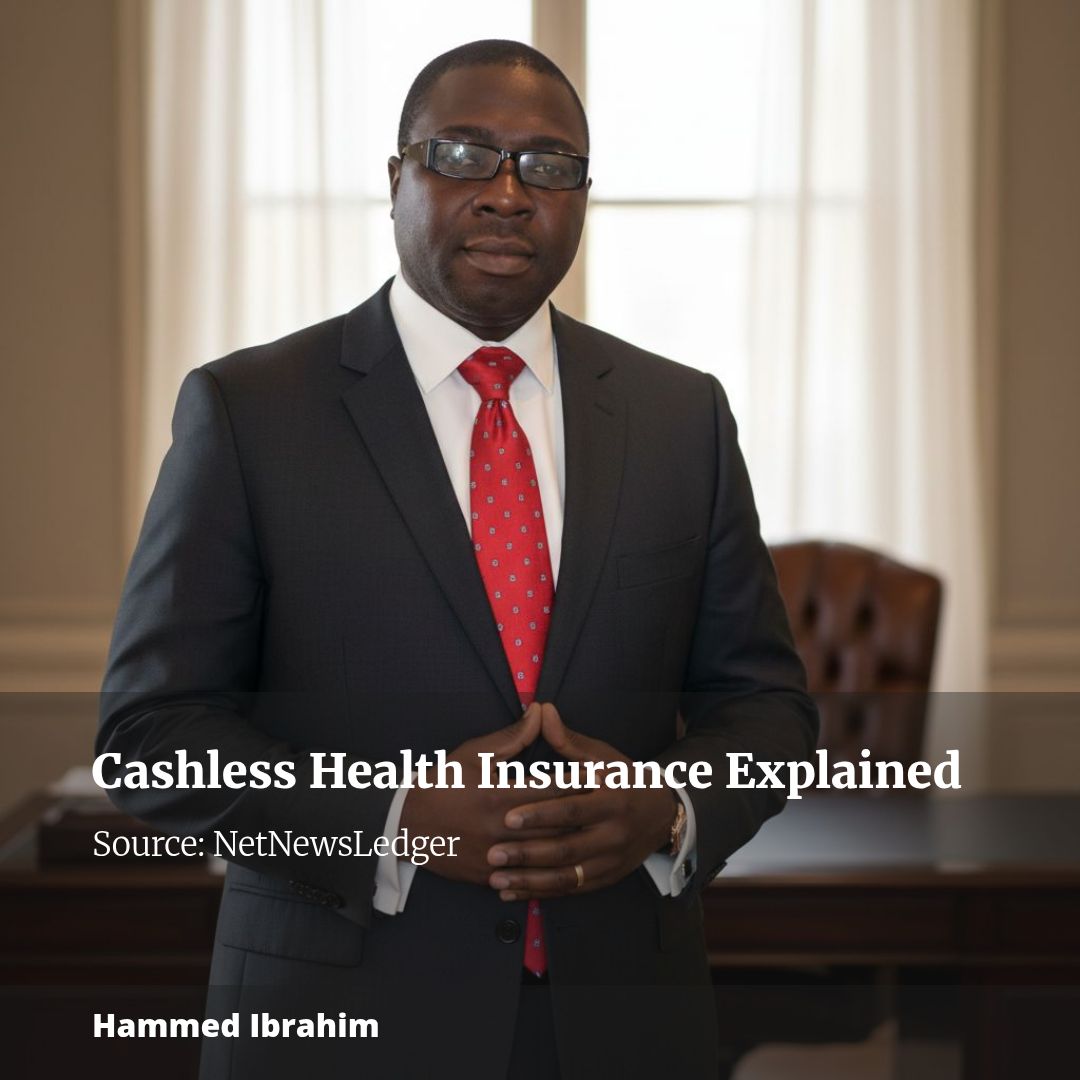
Author: Hammed Ibrahim

  • Cashless Health Insurance: How It Works & Key Benefits

    Cashless Health Insurance: How It Works & Key Benefits

    Cashless health insurance allows policyholders to receive eligible hospital treatment without paying upfront, as the insurer settles approved expenses directly with the hospital. This facility reduces financial stress, supports timely care, simplifies claim administration, and provides access to a network of hospitals. It differs from reimbursement claims, which require paying first and claiming later. Policy terms, coverage limits, and exclusions still apply.

    Continue to full article
  • Cashless Health Insurance: How It Works & Key Benefits

    Cashless Health Insurance: How It Works & Key Benefits

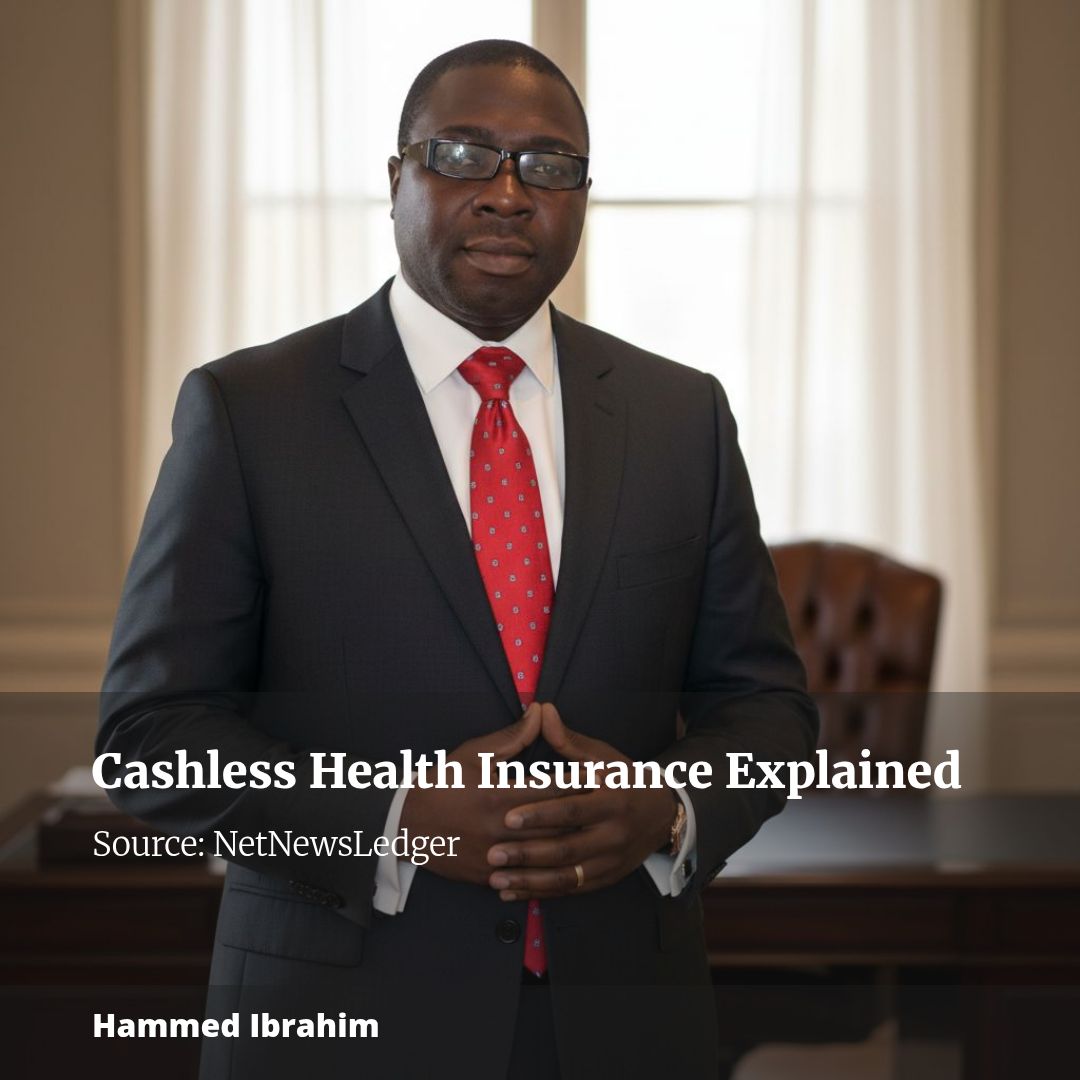
    Cashless health insurance allows policyholders to receive eligible hospital treatment without paying upfront, as the insurer settles approved expenses directly with the hospital. This facility reduces financial stress, supports timely care, simplifies claim administration, and provides access to a network of hospitals. It differs from reimbursement claims, which require paying first and claiming later. Policy terms, coverage limits, and exclusions still apply.

    Continue to full article
  • Cashless Health Insurance: How It Works & Key Benefits

    Cashless Health Insurance: How It Works & Key Benefits

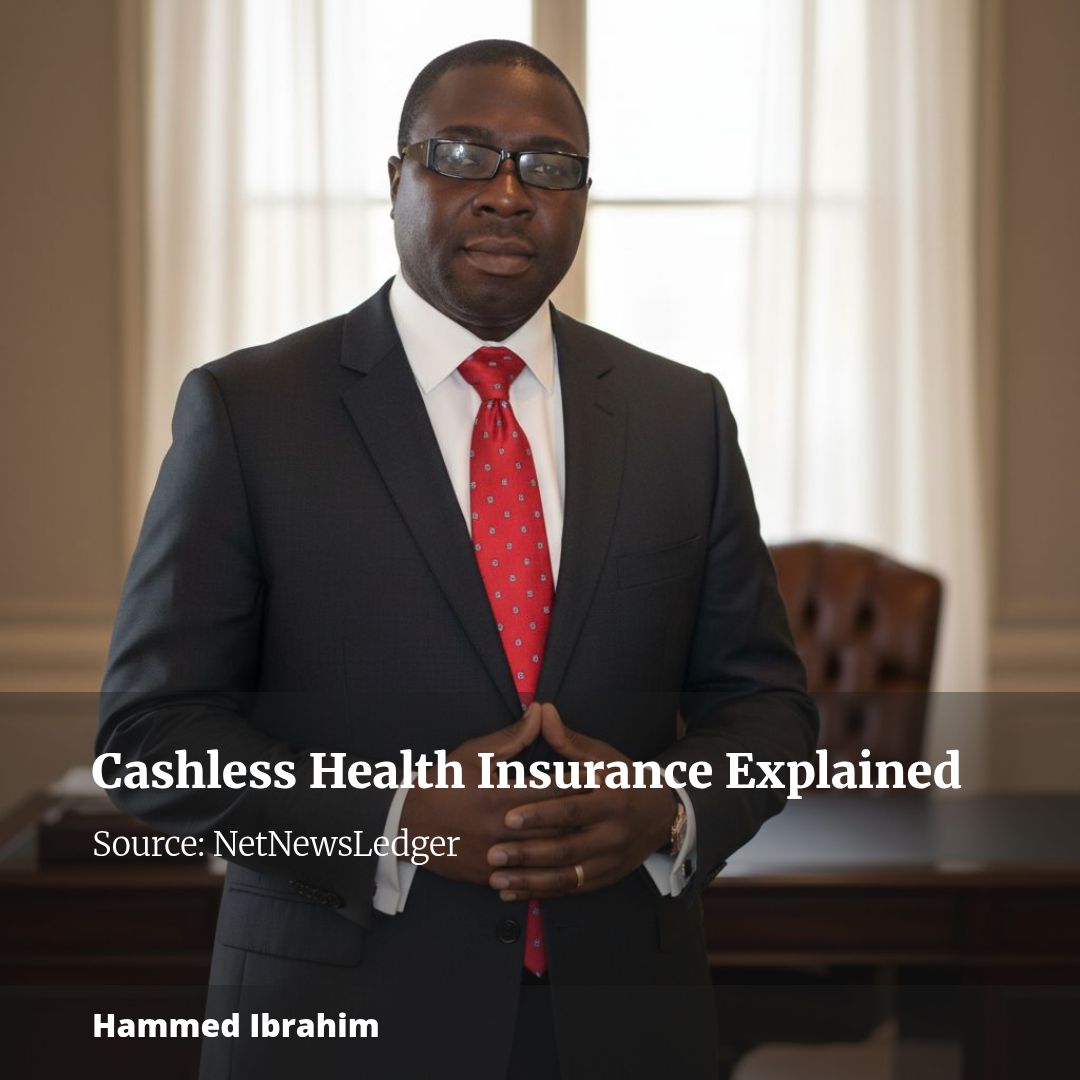
    Cashless health insurance allows policyholders to receive eligible hospital treatment without paying upfront, as the insurer settles approved expenses directly with the hospital. This facility reduces financial stress, supports timely care, simplifies claim administration, and provides access to a network of hospitals. It differs from reimbursement claims, which require paying first and claiming later. Policy terms, coverage limits, and exclusions still apply.

    Continue to full article
  • Cashless Health Insurance: How It Works & Key Benefits

    Cashless Health Insurance: How It Works & Key Benefits

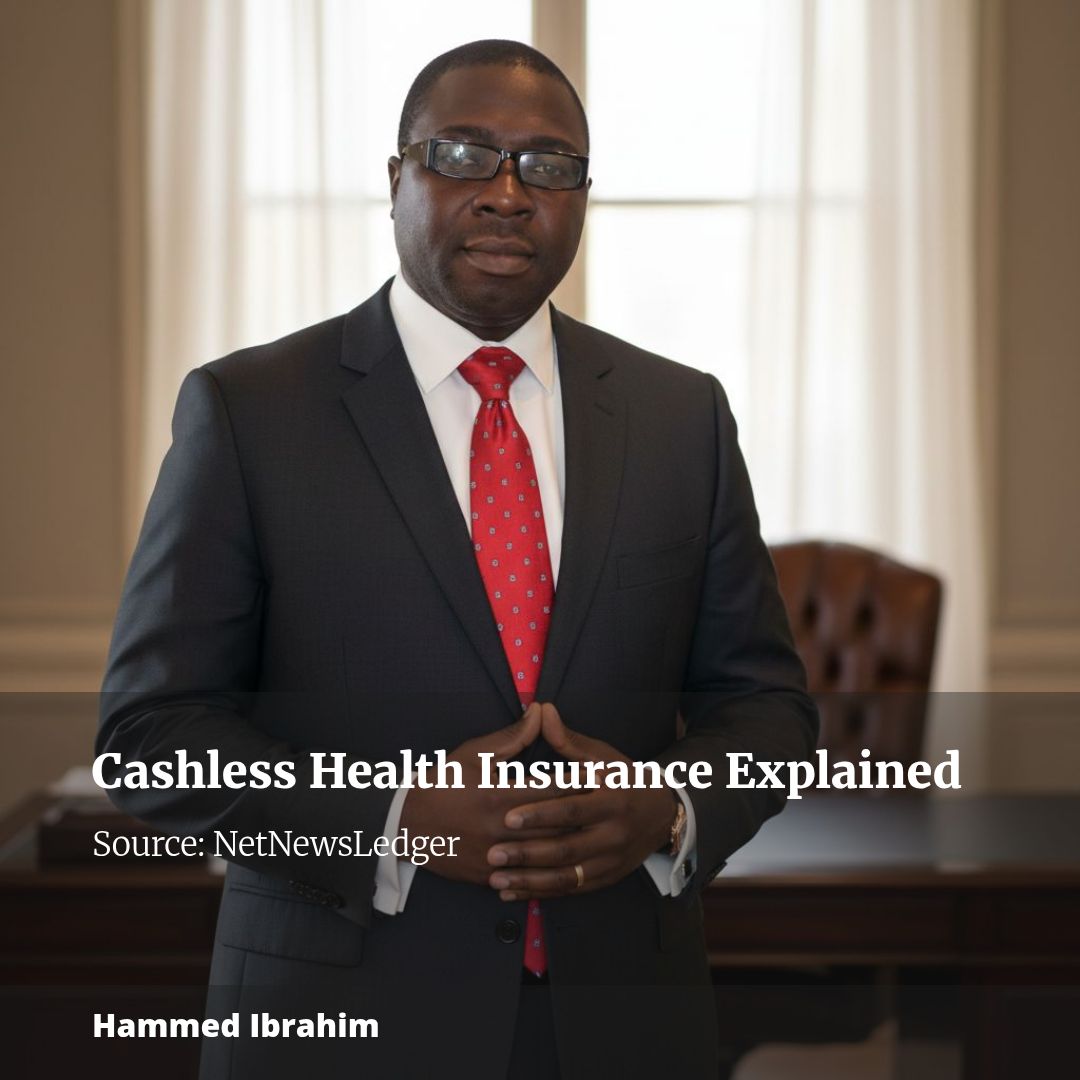
    Cashless health insurance allows policyholders to receive eligible hospital treatment without paying upfront, as the insurer settles approved expenses directly with the hospital. This facility reduces financial stress, supports timely care, simplifies claim administration, and provides access to a network of hospitals. It differs from reimbursement claims, which require paying first and claiming later. Policy terms, coverage limits, and exclusions still apply.

    Continue to full article
  • Cashless Health Insurance: How It Works & Key Benefits

    Cashless Health Insurance: How It Works & Key Benefits

    Cashless health insurance allows policyholders to receive eligible hospital treatment without paying upfront, as the insurer settles approved expenses directly with the hospital. This facility reduces financial stress, supports timely care, simplifies claim administration, and provides access to a network of hospitals. It differs from reimbursement claims, which require paying first and claiming later. Policy terms, coverage limits, and exclusions still apply.

    Continue to full article
  • Cashless Health Insurance: How It Works & Key Benefits

    Cashless Health Insurance: How It Works & Key Benefits

    Cashless health insurance allows policyholders to receive eligible hospital treatment without paying upfront, as the insurer settles approved expenses directly with the hospital. This facility reduces financial stress, supports timely care, simplifies claim administration, and provides access to a network of hospitals. It differs from reimbursement claims, which require paying first and claiming later. Policy terms, coverage limits, and exclusions still apply.

    Continue to full article

  • Happy Halloween

    Halloween falls on October 31 because the ancient Gaelic festival of Samhain, considered the earliest known root of Halloween, occurred on this day.
    In the eighth century, Pope Gregory III designated November 1 as a time to praise all saints.
    Soon, All Saints' Day incorporated some traditions of Samhain and the evening before was known as All Hallows Eve, and later Halloween.
    Over time, Halloween evolved into a day of activities like trick-or-treating, carving jack-o-lanterns, festive gatherings, donning costumes and eating treats.
    Today’s the day to eat candies and sweets to your heart’s content! Happy Halloween!

  • Planning Around Health Insurance Costs

    An entrepreneur warned that having coverage did not always make care affordable, as avg. deductibles for federal marketplace plans reached ~$3.8K in 2026.
    Research cited in the discussion showed marketplace deductibles rose ~37% in 2026 from ~$2.8K, the steepest increase since those marketplaces launched nationally.
    The advice focused on scheduled care: compare insurance estimates with discounted cash prices, since providers can charge different amounts for the same service.
    Patients were urged to ask whether paying cash counts toward deductibles or out-of-pocket limits, and whether quoted prices include hospital, physician, lab, or anesthesia bills.
    A physician criticized asking sick patients to haggle, while the entrepreneur said planned care still rewards proactive questions and federally posted prices.

  • 4 Health Plan Checks Before Re-Enrollment

    Open enrollment begins November 1, and many Americans may choose coverage quickly, even though that decision can shape both health care access and finances all year.
    Re-enrolling automatically can backfire because insurers often change premiums, doctor networks, hospital access, and covered medications yearly, even when the plan name stays the same.
    Before renewing, confirm your primary doctor, specialists, nearby clinic or hospital, and prescriptions still remain in-network or on the formulary for the coming year.
    If key providers leave the network, routine visits may cost more, emergency care nearby may get pricier, and dropped medications can sharply lift out-of-pocket spending.
    An advisor's main guidance: always review the network carefully, because insurers and hospital systems can part ways, changing which providers and facilities remain covered.
    One more smart step: total your past year's doctor visits and out-of-pocket costs now, then use that spending history to judge if

  • HSA Minimums Rise in 2027

    Open enrollment is a smart time to confirm your health plan still qualifies for HSA contributions, because 2027 minimum deductibles are moving higher.
    For single coverage, the deductible must reach $1.75K in 2027, up from $1.7K. For families, the new minimum becomes $3.5K from $3.4K.
    Plans that barely qualified in 2026 may fail in 2027. Contributing $4.5K while ineligible could mean ~6% penalties, or up to $270.
    In 2027, max contributions rise to $4.5K for singles and $9K for families, with an extra $1K catch-up contribution after age 55.
    Federal exchange shoppers can now pair HSAs with Bronze and catastrophic coverage. Open enrollment there runs from Nov. 1 to Jan. 15.