Recent survey data highlights a notable trend: 16% of US adults report being very likely to switch their health insurance within the next year, with an additional 26% somewhat likely to do so. This intent is strongest among Gen Z and Republican-identifying individuals—25% of Gen Z and nearly a quarter of Republicans are seriously considering a change. Those most likely to switch are often paying for their own coverage rather than relying on government-assisted programs. Interestingly, when weighing their options, these likely switchers are prioritizing network coverage and out-of-pocket limits over just the sticker price. Access to preferred doctors and protection against unexpected costs are front and center. With open enrollment just a couple of months away, it’s a critical period for evaluating how shifting career, financial, and healthcare needs can shape benefit decisions. For those exploring executive bonus plans, defined benefit options, or NQDC strategies, understanding these evolving preferences is essential for making informed choices.
Category: Latest Posts
-
Life And Non-Life Insurance Market Outlook Highlights Strategic Opportunities Across The Industry
The life and non-life insurance market is on track to reach $12.6 trillion by 2030, with a projected 5.4% CAGR. This growth is shaped by the rise of hybrid insurance products, advances in insurtech, expansion in health and motor insurance, as well as digital distribution and AI-driven, personalized, usage-based models. For those navigating executive bonus plans, defined benefit arrangements, or non-qualified deferred compensation plans, these trends highlight key opportunities for strategic planning and risk management as the industry evolves.
Continue to full article -
Why Life Insurance Demands Ethical Selling Practices
In my experience working with Executive Bonus Plans, Defined Benefit Plans, and Non-Qualified Deferred Compensation Plans (NQDC), I’ve seen firsthand how crucial it is to maintain ethical standards in life insurance sales. When we take the time to clearly explain the benefits, limitations, and costs to our clients, it’s not just about compliance—it’s about building genuine trust and transparency. Focusing on ethics during training goes beyond professionalism; it demonstrates a commitment to each client’s financial well-being and strengthens the foundation for lasting industry relationships.
Continue to full article -
Health Insurance Shapes Career Choices
It's striking how health insurance can influence major career decisions. In fact, 51% of employees with employer-sponsored coverage say they'd consider switching jobs within the next year if a new role offered similar benefits. The overall value of a plan—think monthly premiums, employer contributions, and which medications and procedures are covered—really drives what feels possible when weighing a career move. Employer-sponsored health plans are typically more cost-effective than buying coverage individually, which often keeps people in roles longer than they might otherwise stay. If you're exploring a new opportunity, it's important to compare your current coverage with what's on the table, factoring in not just the monthly premium but also the finer details and total out-of-pocket costs. And before making a move, check exactly when your current coverage ends, and look into marketplace plans, public options, or temporary coverage to make sure there are no gaps. As someone who specializes in executive benefit strategies—like Defined Benefit and Non-Qualified Deferred Compensation Plans—I see firsthand how the right benefits package can shape not just your finances, but your career path.
-
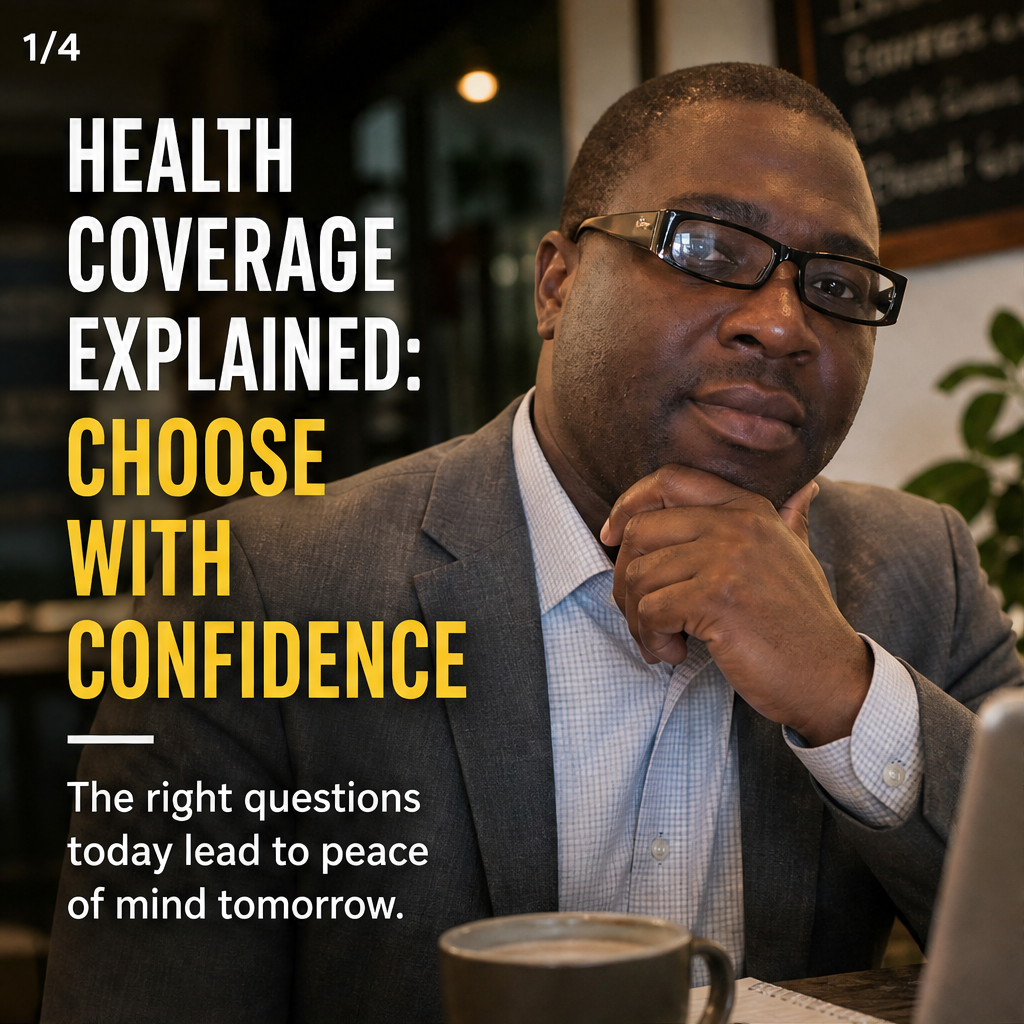
Health Coverage Explained: Choose With Confidence
Health insurance can feel complicated, but the right questions make comparison easier. Start by looking beyond the monthly premium: deductibles, copays, coinsurance, and out-of-pocket limits all affect what you may pay. Next, confirm that your preferred doctors, hospitals, and pharmacies are in-network. Then review covered services such as preventive care, prescriptions, telehealth, and mental health support. Use these practical steps to compare plans thoughtfully, and consult a licensed insurance professional when you need personalized guidance.
Continue to full article -
US Online Mental Health Care Guide
When seeking online mental health care in the US, start by taking stock of your symptoms, daily hurdles, and what you hope to achieve—whether that means therapy, medication, or a blend of both. The next step is to find a licensed clinician whose profile transparently outlines their approach, qualifications, and the specific care they offer. It’s important to verify details like insurance acceptance, copays, missed-visit policies, and how they handle urgent communication. In those first virtual sessions, set yourself up in a quiet, private spot and expect focused attention and clear communication; if things feel disorganized or you aren’t being heard, it may signal the need for a better fit. Online care should work in tandem with your primary care and other providers—sharing information ensures all aspects of your health, including medication side effects and lab results, are managed cohesively. Finally, ask about how future regulatory shifts might affect your treatment, as some telehealth coverage lasts through December 2027, while certain online prescribing rules are set to expire in December 2026. Just as I help clients coordinate benefits and compensation plans to fit their future, the right questions now can set up effective, long-term care.
-
Online Mental Healthcare Is Now Common
Online mental healthcare has become increasingly accessible, offering flexibility for those seeking support. It's important to start by identifying your own symptoms, daily challenges, and the goals you hope to achieve—whether that means therapy, medication, or a combination. When selecting a clinician, review their credentials, understand their treatment approach, and check how their services align with your health coverage, including insurance details and office policies. In my line of work, I see the benefits of a well-structured plan—coordination between your online mental health provider and your primary care team is just as essential as integrating different financial strategies. Consistent communication ensures all aspects are managed, from overlapping symptoms to side effects and necessary exams. Also, make sure to ask about how future regulatory changes could impact remote care, as some coverage will last through December 2027, but certain online prescribing rules will expire in December 2026. As with any plan—health or financial—the key is staying informed and proactive.
-
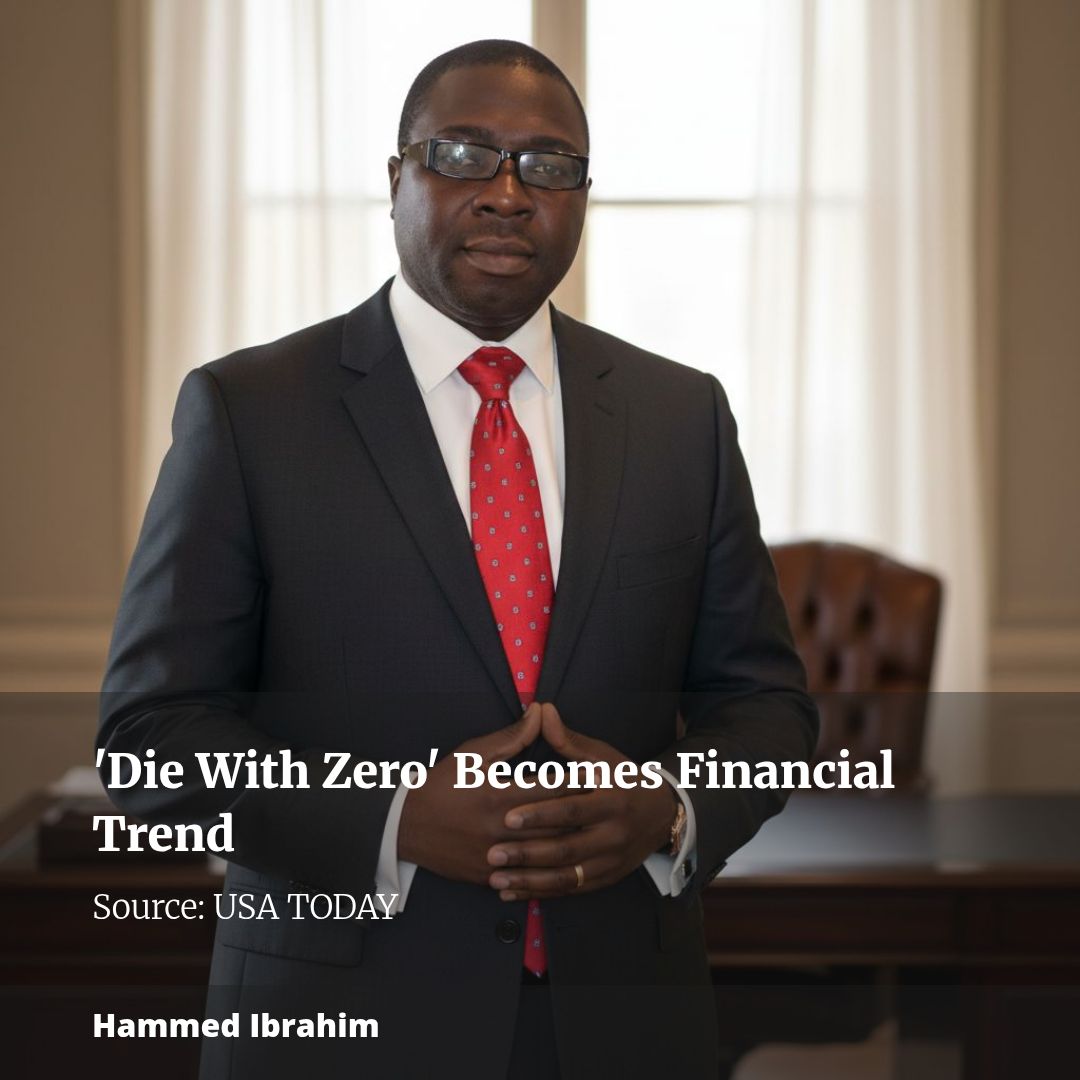
‘Die with zero’ gains momentum. How to turn it into a financial plan
The 'Die With Zero' philosophy has been making waves—encouraging retirees to spend down savings purposefully, focusing on experiences and memories rather than leaving large estates. This mindset requires thoughtful planning, including strategies like whole life insurance to balance enjoyment with lasting security. While it’s true that many retirees end up spending less than they could, this approach isn’t one-size-fits-all. There are tax implications and financial risks to consider, especially when integrating executive bonus plans, defined benefit plans, or NQDC arrangements into retirement income strategies. A tailored plan can help ensure your resources are used wisely—supporting both your immediate wishes and your long-term peace of mind.
Continue to full article -
Retirees Who Rarely Worry About Money Tend to Avoid Spending on Certain Things
True financial security in retirement often starts with knowing where not to spend. Many retirees who feel confident about their finances make intentional choices: they steer clear of unnecessary extended warranties, opt for term life insurance, drive cars a little longer, cut the cable cord, and eliminate unused subscriptions. They’re also careful to avoid high fees and plan their vacations during off-peak times. It’s a practical mindset—one I see echoed in the strategies behind Executive Bonus Plans, Defined Benefit Plans, and Non-Qualified Deferred Compensation Plans. Focusing on efficiency and value, both in spending and in retirement planning, can go a long way toward lasting peace of mind.
Continue to full article -
How Life Insurance Agents Build Trust Over Time
Trust is the foundation of any lasting relationship in life insurance. I focus on understanding each client's objectives and providing transparent, straightforward explanations of complex policies—whether it's an Executive Bonus Plan, Defined Benefit Plan, or Non-Qualified Deferred Compensation Plan (NQDC). Consistent, open communication and personalized support are at the heart of my approach, always with the utmost confidentiality. It's these principles that help foster long-term relationships and loyalty in our field.
Continue to full article